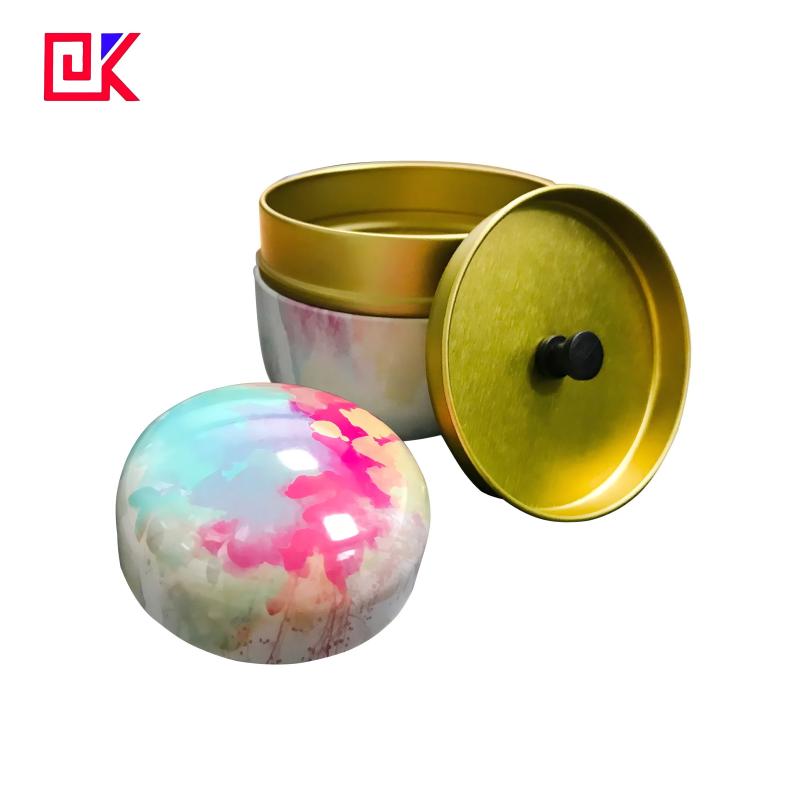
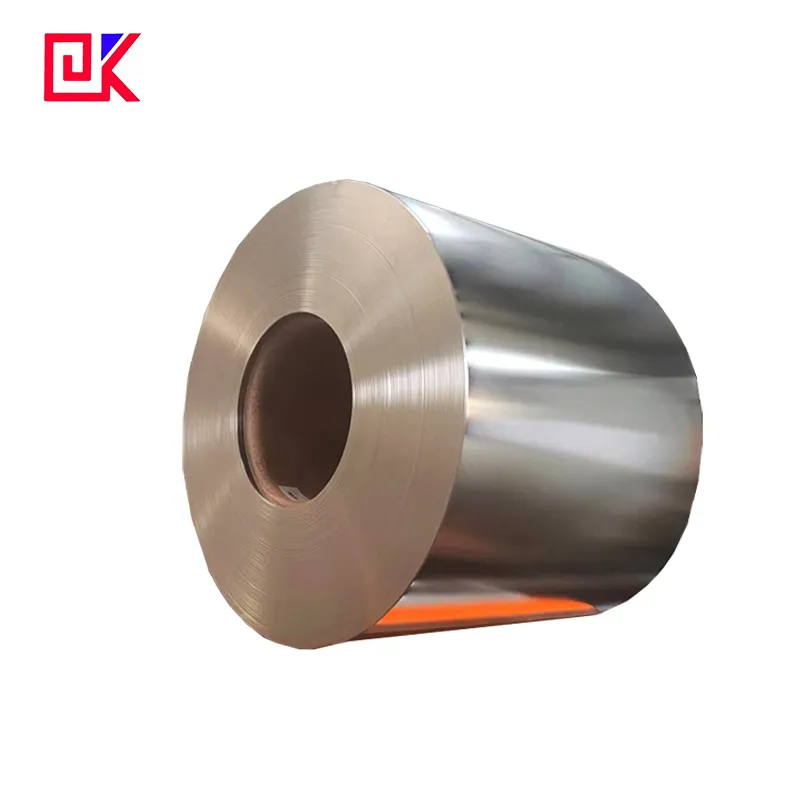
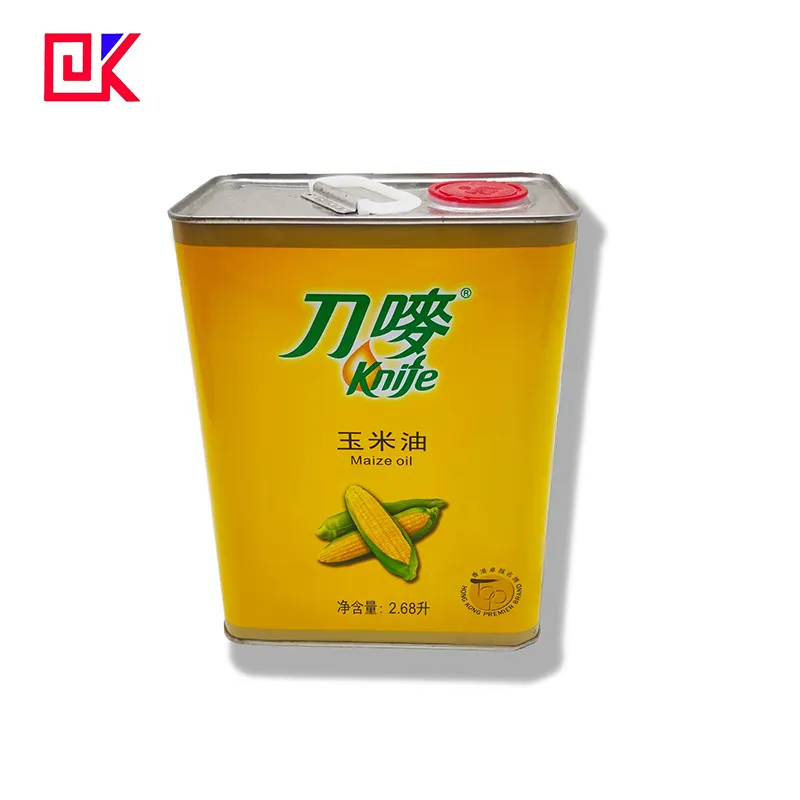
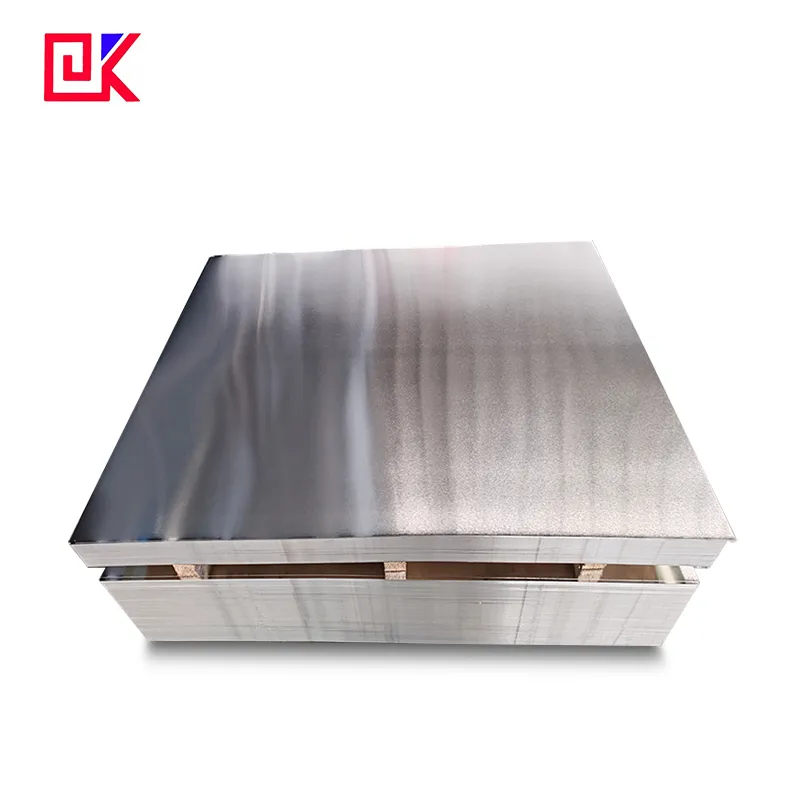
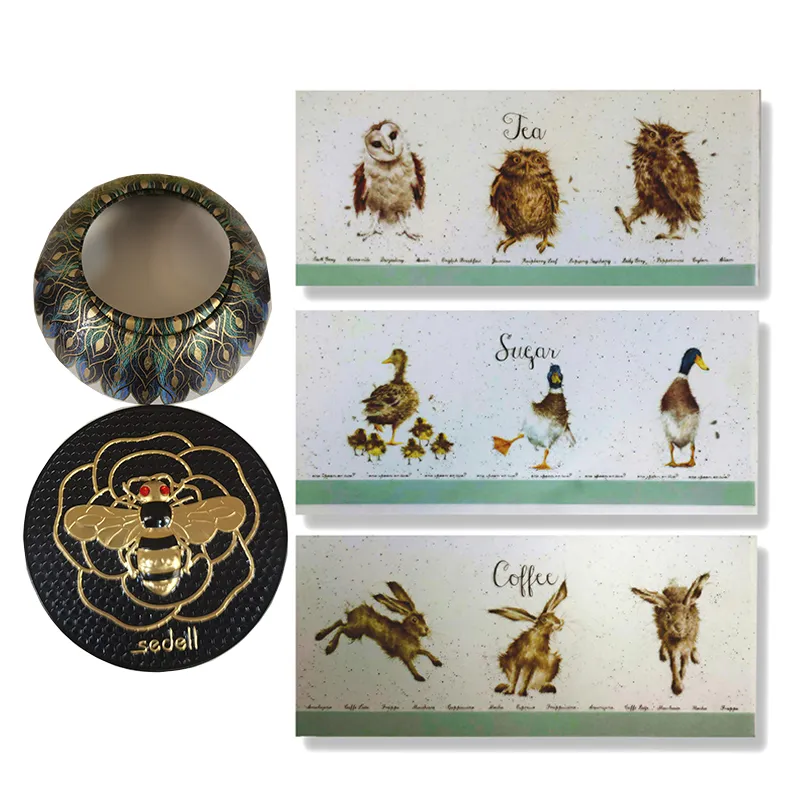
Tinplate cans typically have a smooth surface with a metallic sheen. This is because the tin coating itself creates a silvery-white reflective effect, while the coating and printing also contribute to the can's glossy appearance.
Specifically, the tin plating process design has the following four functions:
1. Preventing oxidation and corrosion
2. Enhancing product safety
3. Maintaining product appearance and quality
4. Improving material processing performance
Tinplate cans offer excellent sealing properties. Sealed with a roll-to-seal method, they prevent air from easily entering. Their seal not only blocks air but also effectively prevents moisture from entering, making them particularly suitable for coffee products that require dry storage.
The recycling process for tinplate cans is relatively simple, and the recycling rate is very high. Recycled tinplate cans are first cleaned and treated to remove impurities. The metal is then melted to extract the iron and tin. These extracted metals can be reused in the manufacture of new metal products.
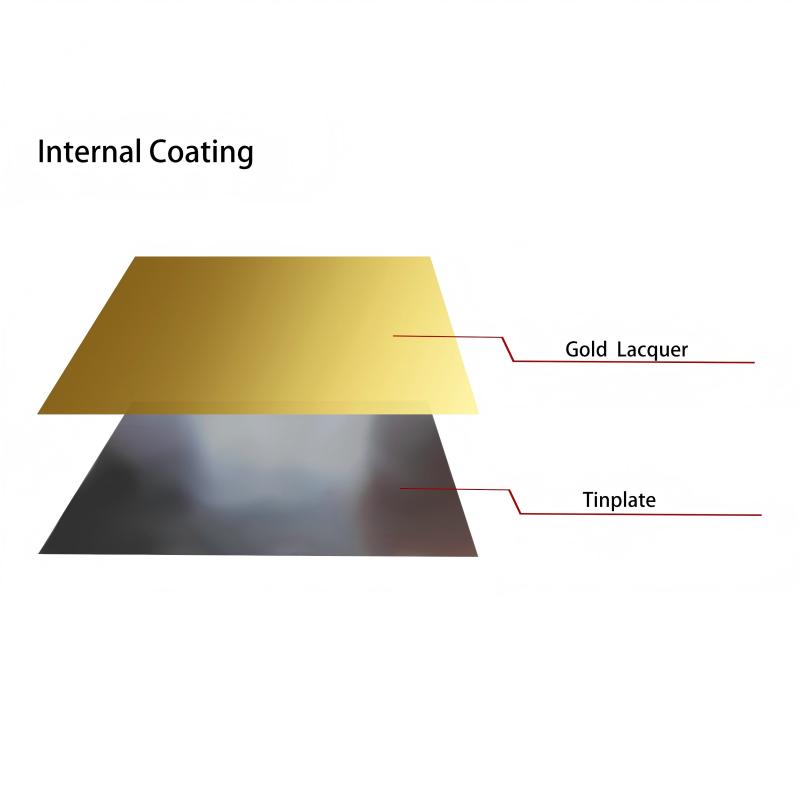
Condiments such as soy sauce, vinegar, and chili sauce typically contain high levels of water and acid. These properties make them susceptible to moisture and oxidation during storage. Tinplate cans, with their tin plating and inner coating, effectively isolate air and moisture, preventing condiments from deteriorating due to moisture.
In certain industries, such as food and cosmetics, where demanding product packaging is required, tinplate cans may be more expensive than other packaging materials. However, their value lies in their superior pr
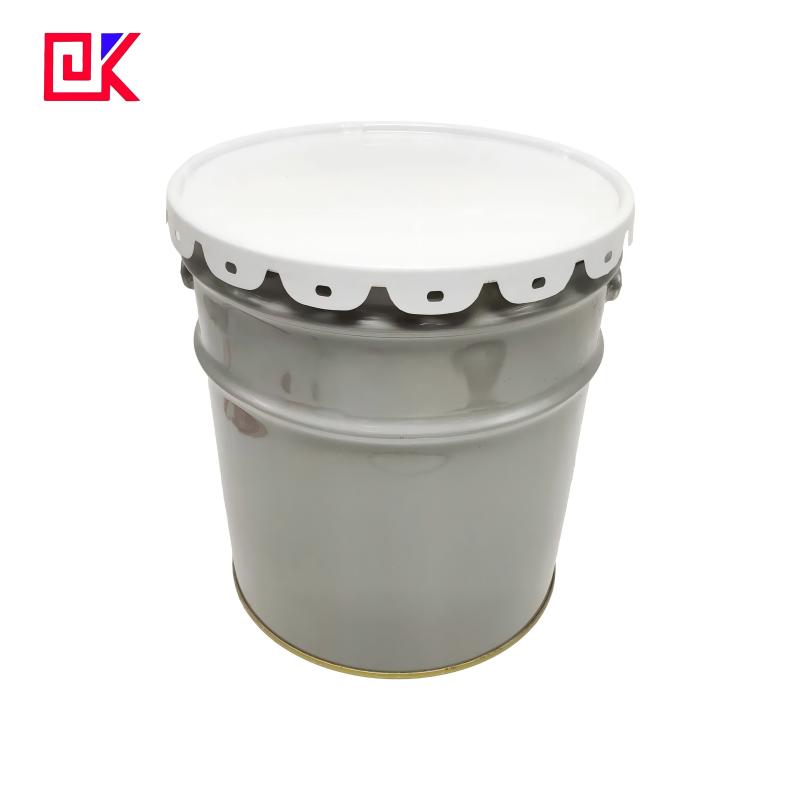
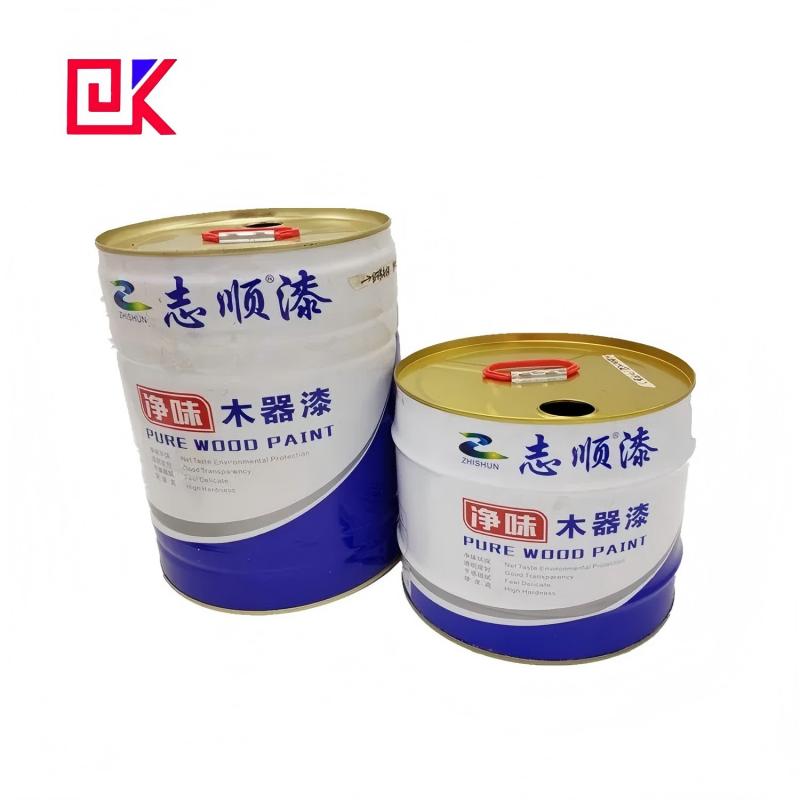
Not all tinplate meets food-grade standards. In fact, tinplate can be categorized as food-grade or industrial-grade depending on its intended use. Food-grade tinplate must meet specific food contact safety standards, while industrial-grade tinplate is primarily used for non-food packaging, such as paint cans, lubricant cans, and cosmetics packaging.
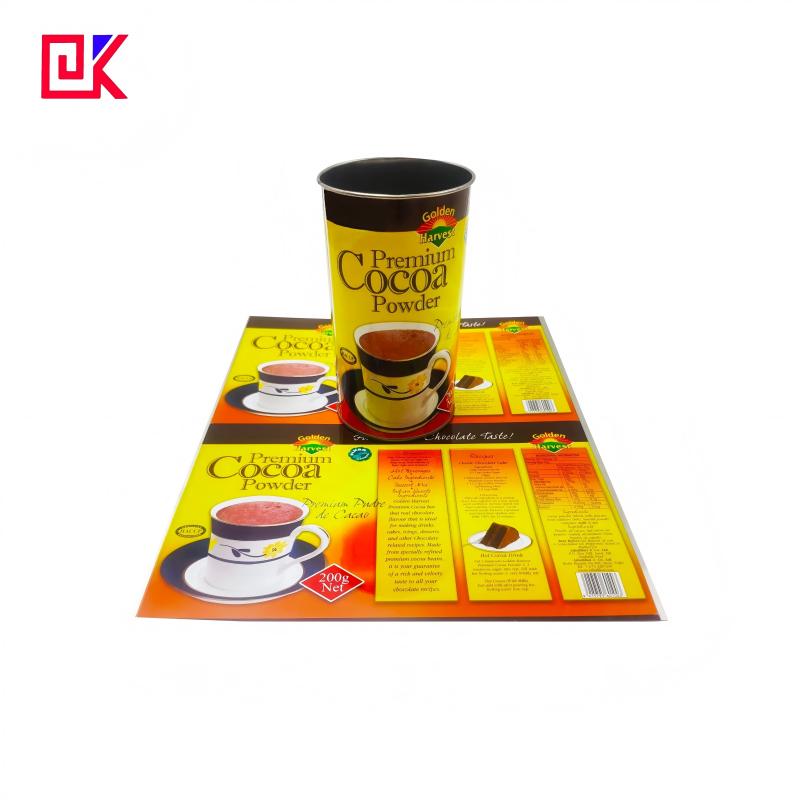
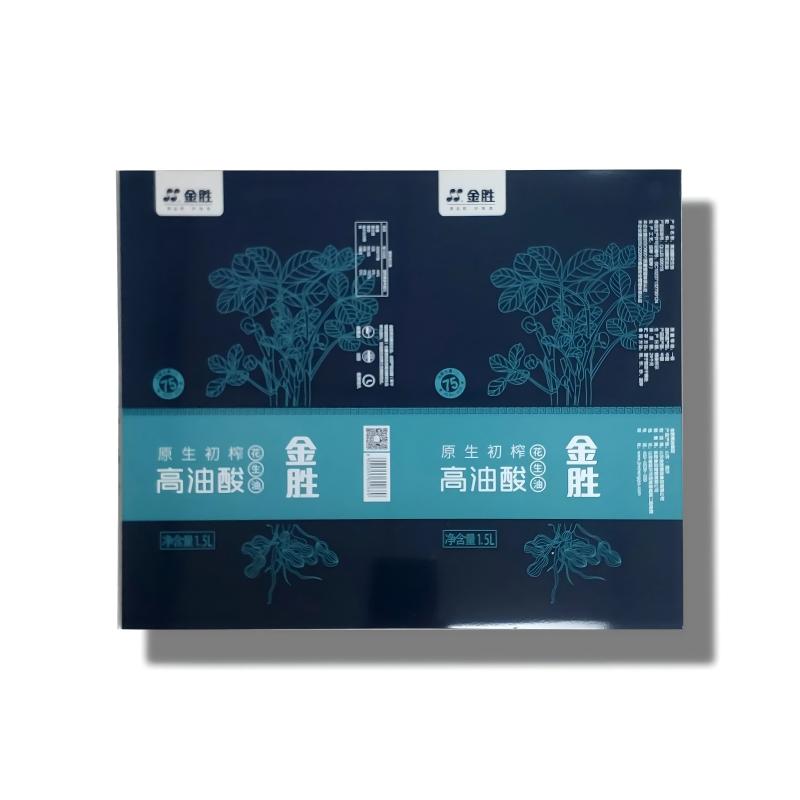
Offset printing is currently one of the most commonly used processes for tinplate printing. It primarily uses a rubber blanket to transfer the design onto the tinplate surface. Offset printing not only achieves high-resolution printing but also produces rich color gradations.
The materials used for metal packaging cans vary depending on the application. Typically, metal packaging cans are made of materials such as tinplate, aluminum, and tin-free steel (TFS). Each of these materials has different properties and is suitable for different packaging needs.
Food safety is a crucial consideration in the packaging industry. Tinplate cans have proven themselves to be extremely safe as food packaging materials over many years.