Get the latest price? We will reply as soon as possible (within 12 hours)

Industry news

  • What is the melting point of tinplate sheet?
    08-27/2025
    When tinplate sheet is heated above 231.9°C, the tin layer begins to melt, while the iron material inside remains solid. Therefore, the melting process of tinplate sheet occurs in stages. First, the tin layer melts, and then, at 1538°C, the iron substrate begins to melt.
  • How should filled aerosol can products be stored?
    08-26/2025
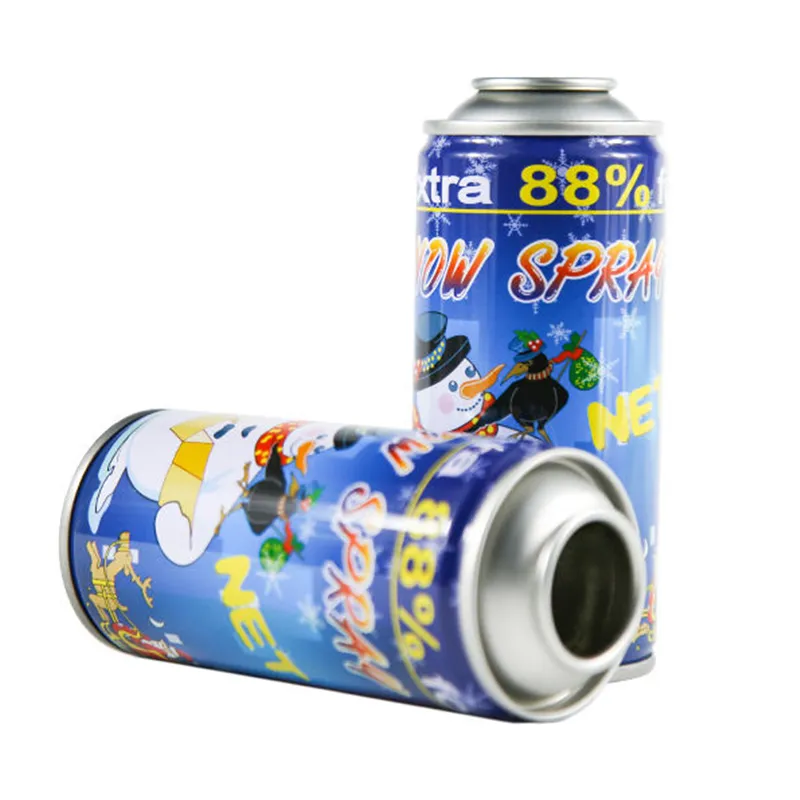
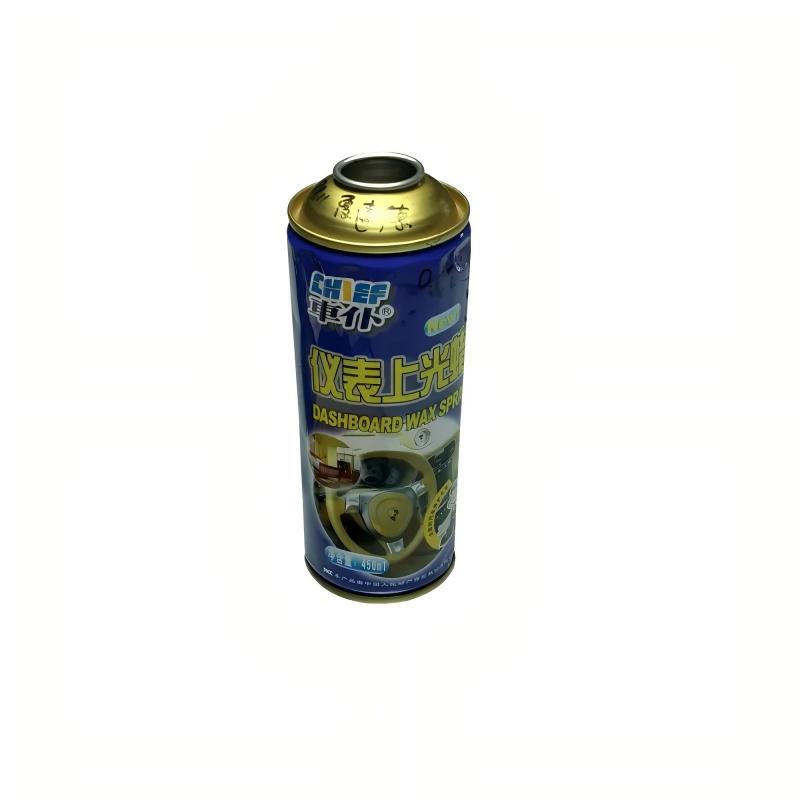
    Storage conditions for aerosol can products: 1. Storage temperature 2. Ventilation of the storage space 3. Prevent physical damage to the can 4. Keep away from sources of fire and heat 5. Prevent leakage and spread 6. Store aerosol cans with the valve and nozzle facing upwards
  • Which metal packaging cans are prone to rust? Which are not?
    08-25/2025
    Rust-prone metal packaging cans: 1. Ordinary iron cans 2. Carbon steel cans Rust-resistant metal packaging cans: 1. Aluminum cans 2. Stainless steel cans 3. High-quality tinplate cans
  • Why use tinplate sheet for food packaging cans?
    08-22/2025
    As a steel-based material, tinplate sheet possesses the inherent strength and durability of steel. Compared to other packaging materials such as plastic and paper, tinplate sheet effectively protects canned foods from external physical impact or compression.
  • Is there plastic in metal cans used for food packaging?
    08-21/2025
    The protective effect of the tin layer is limited, especially when storing acidic foods, where there is a risk of tin corrosion. Therefore, during the production process, a protective coating or lining is often added to the inner surface of tinplate cans to further prevent direct contact between food and metal.
  • What can and can't tinplate packaging cans contain?
    08-20/2025
    Tinplate packaging cans are widely used for beverages and liquid foods, especially products that require a good seal, such as carbonated beverages and beer. Tinplate packaging cans are not suitable for packaging foods with high acidity or high salt content, such as ketchup, fruit vinegar, and preserved foods.
  • Does offset printing in tinplate printing use ink?
    08-19/2025
    Tinplate sheet offset printing relies on inks, which differ significantly from those used in other types of printing, such as screen printing and gravure. Due to the unique demands of tinplate sheet offset printing, inks must not only ensure precise transfer, but also exhibit strong adhesion to metal surfaces and abrasion resistance.
  • How to properly recycle three-piece tinplate aerosol cans?
    08-18/2025
    Step 1: Confirm that the can is completely empty. · Press the nozzle until the last drop is released. · Invert the nozzle to confirm that no gas or liquid is ejected. · If a pressurized propellant (such as butane) is present, handle with caution and avoid open flames. Step 2: Label or perforate the can (if permitted). Step 3: Dispose of the can in a metal recycling bin.
  • Cones and domes: Can they be used as food cans?
    08-15/2025
    Tinplate itself is one of the top choices for food-grade packaging materials. 1. It's made from a low-carbon steel base plate electroplated with a tin layer, which effectively prevents rust from coming into contact with food. 2. If combined with a food-grade coating (such as epoxy phenolic or polyester coating), its safety fully meets international standards.
  • Why are three-piece tinplate aerosol cans more advantageous?
    08-14/2025
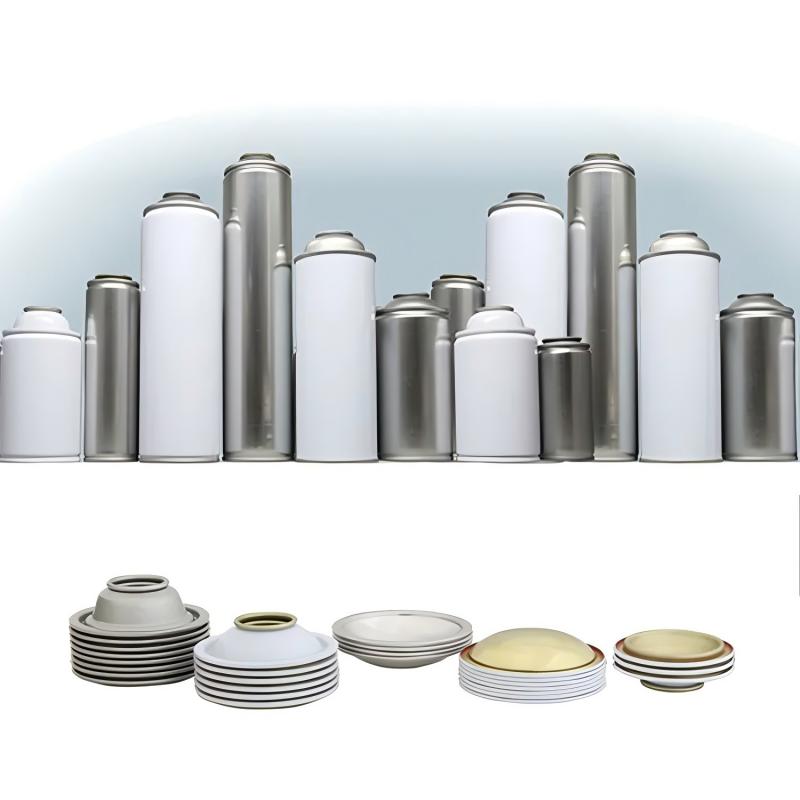
    A standard three-piece tinplate aerosol can withstand pressures of 12-18 bar (176-260 psi), meeting the international DOT 2Q (180 psi burst pressure) standard. The reinforced design of the cone and dome directly determines whether the can can withstand the expansion pressures experienced during daily transportation, storage, and even high-temperature environments.
("[type='submit']")