Get the latest price? We will reply as soon as possible (within 12 hours)

Industry news

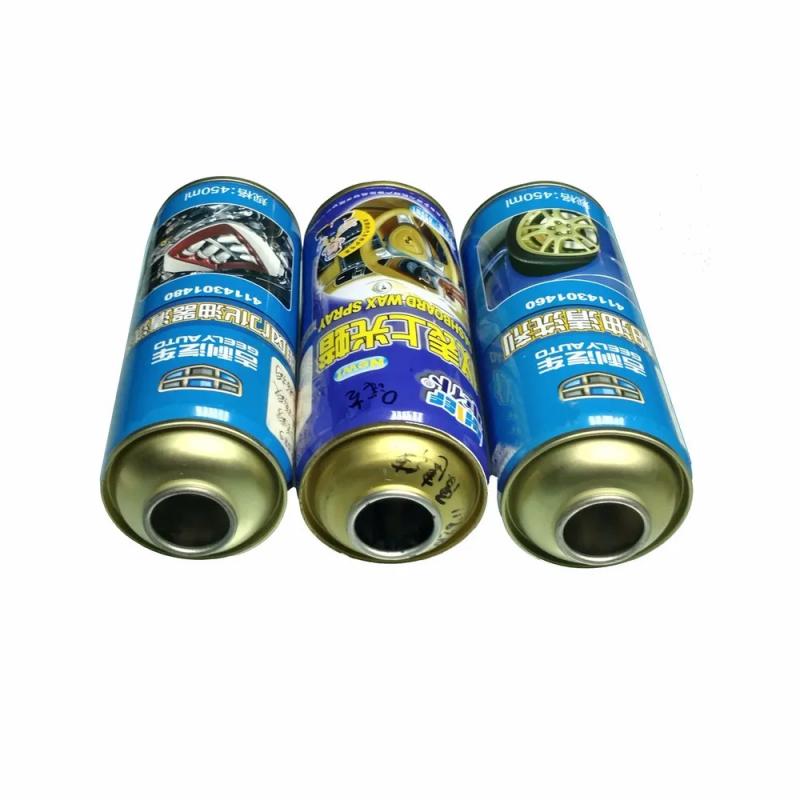
  • Can three-piece aerosol cans be used upside down?
    09-30/2025
    When a three-piece aerosol can is inverted, in most cases, gas is sprayed, not liquid. Even if a small amount of liquid is ejected with the gas, it will be intermittent and uneven, significantly reducing the spray effect. The liquid cannot be sprayed properly, resulting in inefficient use of the remaining contents in the can.
  • Why are three-piece aerosol cans suitable for high-pressure aerosol products?
    09-29/2025
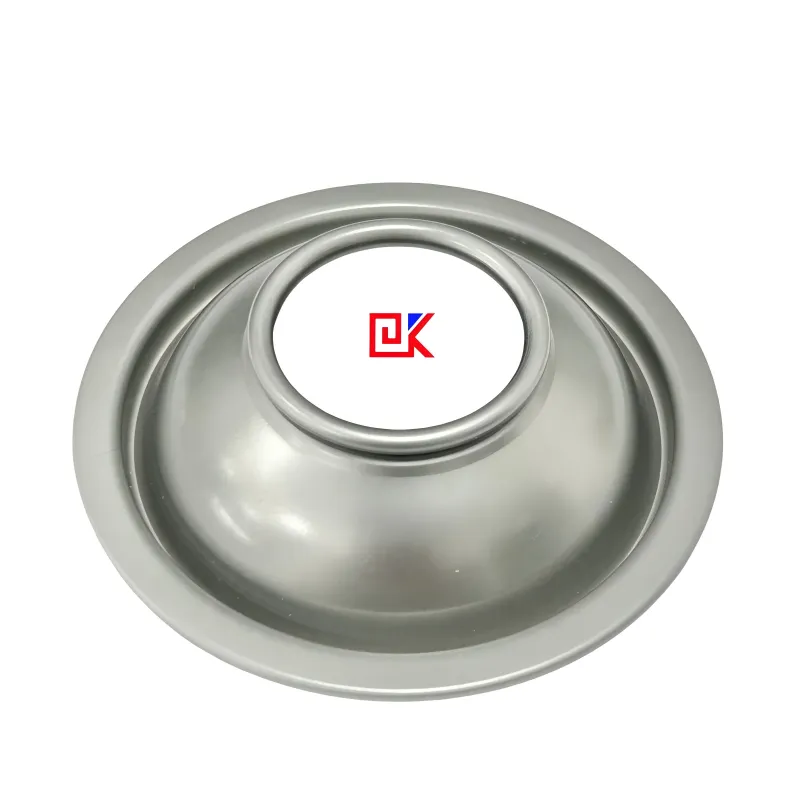
    In high-pressure aerosol products, the internal pressure is often much higher than that of ordinary packaging containers. The three-piece aerosol can is suitable for such products primarily due to the following factors: • High structural strength • Scientific material selection • Reliable valve seal
  • What happens if a three-piece aerosol can is punctured?
    09-26/2025
    Three-piece aerosol cans have high internal pressures. Puncturing the can instantly releases the compressed gas, causing the can to rupture rapidly. This explosion not only creates a powerful impact but can also eject metal fragments, causing cuts, punctures, or other serious physical injuries.
  • Why does a three-piece aerosol can contain a metal ball?
    09-25/2025
    Liquid products often contain pigments, active ingredients, or particulate matter. Without agitation, precipitation can accumulate at the bottom of the can, leading to nozzle clogging. A metal ball continuously rubs against the can walls and the liquid surface during shaking, reducing precipitation and ensuring smooth spraying.
  • Why can't you carry tinplate aerosol cans on airplanes?
    09-24/2025
    Carrying tinplate aerosol cans on board increases the pressure difference between the internal and external pressures, potentially causing them to expand or even explode. Even high-quality cans cannot fully protect against the risks posed by high-altitude, low-pressure environments.
  • How should empty tinplate aerosol cans be handled?
    09-23/2025
    Safely processed tinplate aerosol cans should be collected separately. For households, they can be placed in recyclable metal waste collection bins. For industrial users, they should be stored in a fire-proof, explosion-proof, and well-ventilated area in accordance with hazardous waste storage standards for centralized recycling.
  • How to tell if a tinplate aerosol can is empty?
    09-22/2025
    Each tinplate aerosol can has its own tare weight, or empty can weight. After the can is filled with contents and propellant, its weight increases significantly. With use, the weight gradually decreases. When the weight approaches the empty can tare weight, the contents are nearly depleted.
  • Why do three-piece aerosol cans explode when heated?
    09-19/2025
    • At room temperature, the pressure inside an aerosol can typically range from 2 to 8 atmospheres. • Once the temperature rises above 40°C, the internal pressure increases significantly, exceeding the design pressure limit of the can material and causing a rupture.
  • What is the carbon footprint of tinplate production?
    09-18/2025
    According to the International Energy Agency, the global steel industry accounts for approximately 8% of global industrial carbon emissions, making it the largest contributor to carbon emissions among all industries. Although tinplate sheet production may have slightly lower carbon emissions than conventional steel production, its overall carbon footprint remains relatively large.
  • Metal Food Cans: What Impact Have They Had on Humanity?
    09-17/2025
    The invention of the metal can revolutionized food preservation, most notably significantly extending the shelf life of food. As a sealed packaging method, metal cans can isolate air and bacteria while simultaneously sterilizing food at high temperatures, significantly reducing the risk of spoilage and extending its shelf life.
("[type='submit']")