Get the latest price? We will reply as soon as possible (within 12 hours)

News

  • How to print patterns on tinplate sheet?
    07-28/2025
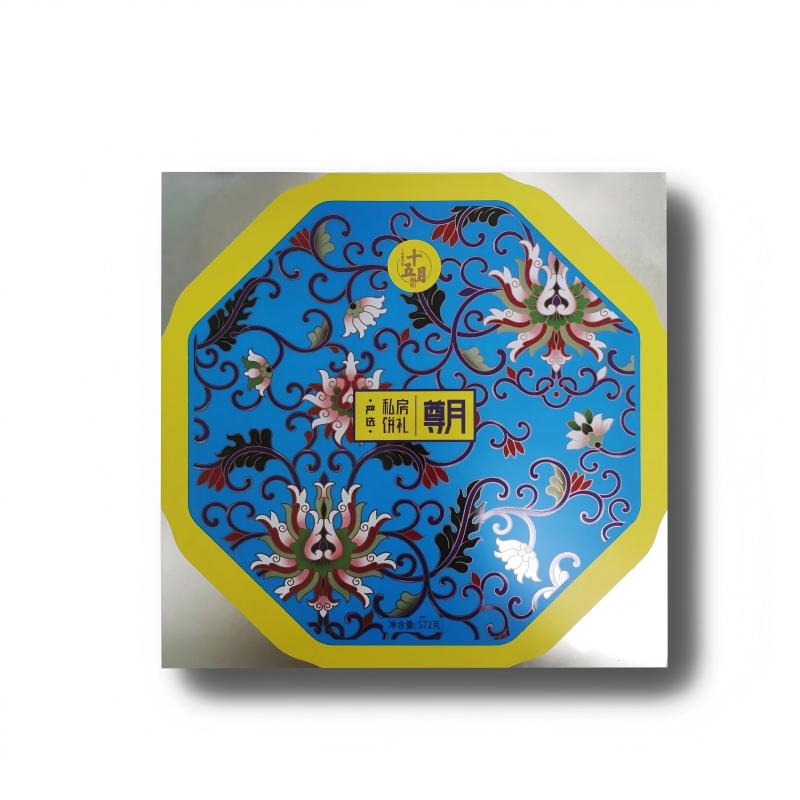
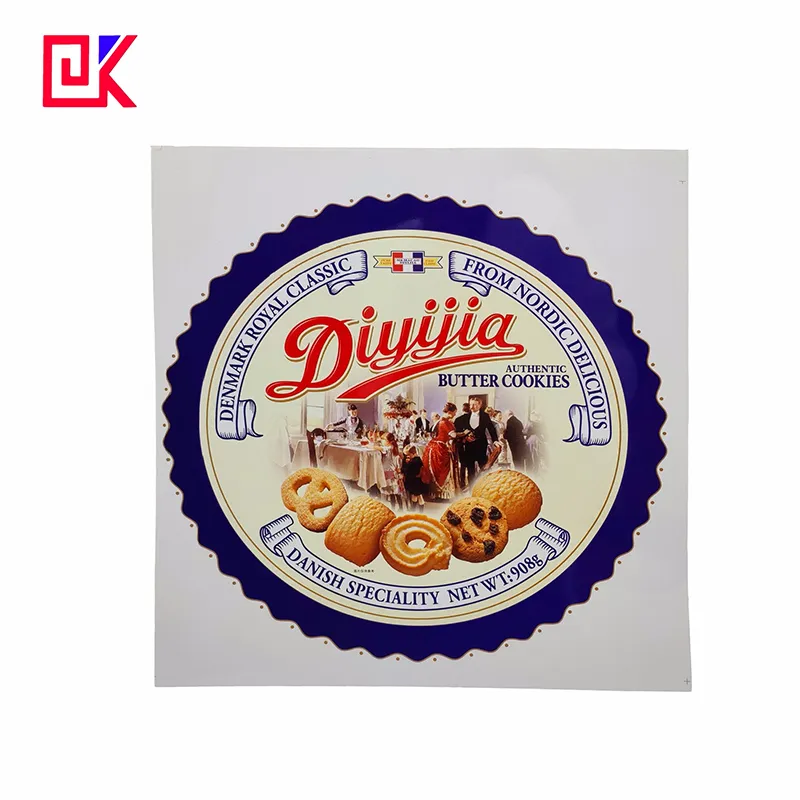
    Steps for printing patterns on tinplate sheets: Preparation: 1. Cleaning and degreasing 2. Primer coating 3. Drying treatment Selection of printing method: 1. Offset printing 2. Screen printing 3. Gravure printing 4. Flexographic printing Selection of ink: 1. Solvent-based ink 2. UV-curable (UV) ink 3. Water-based ink
  • How much pressure can a tinplate aerosol can withstand? Is it safe?
    07-25/2025
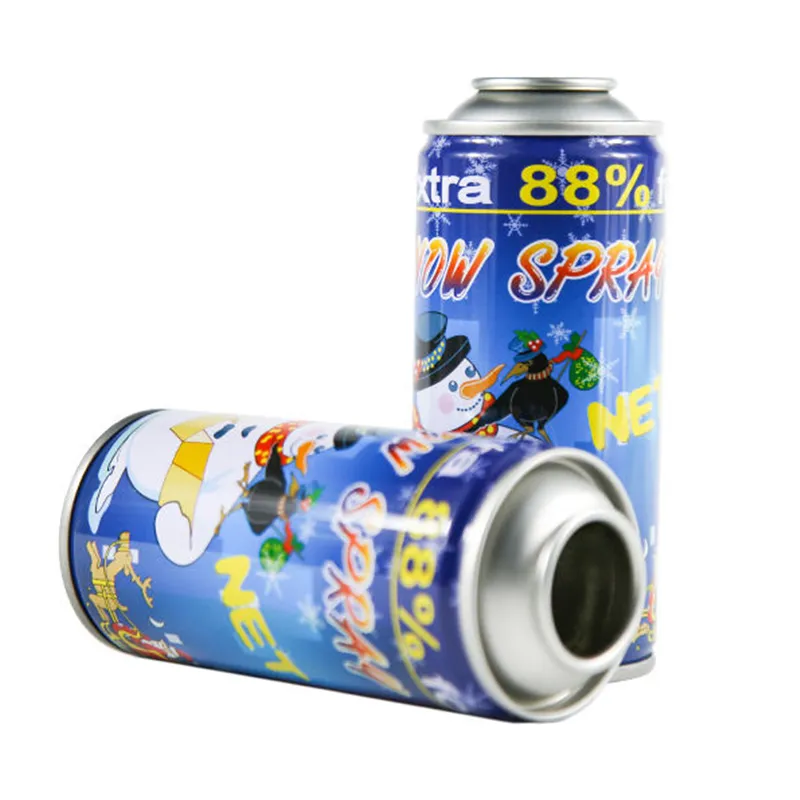
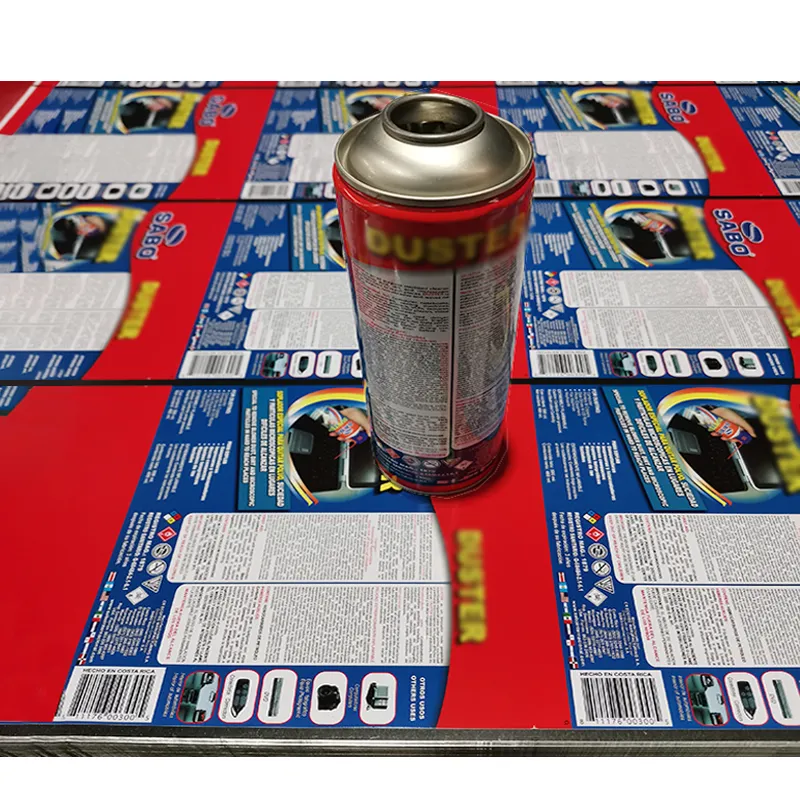
    Generally speaking, commercially available tinplate aerosol cans can withstand an internal pressure of about 12-18 bar, while the typical pressure at room temperature is usually 8-10 bar. This means that under normal conditions, the pressure of an aerosol can is usually lower than its tolerance limit, with a certain safety margin.
  • Are candy cans really made of tin?
    07-24/2025
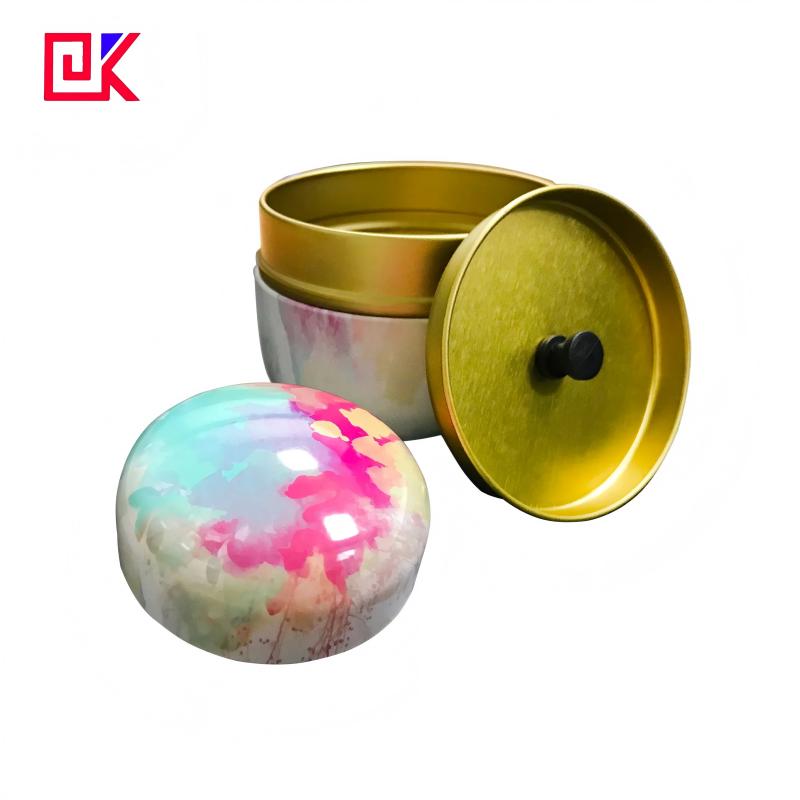
    Candy cans need to have a certain hardness to protect the food inside, which requires the can body to be sturdy and avoid deformation during transportation and storage. Tinplate sheet has such characteristics. Its core is steel, which gives the can body excellent pressure resistance and hardness.
  • Can I use tinplate sheets to bake food?
    07-22/2025
    Food packaging grade tinplate sheet is not easy to release harmful substances at room temperature, but whether it will release heavy metal elements such as lead and cadmium under high temperature conditions is worrying. High temperature may decompose the metal surface coating, resulting in food contamination.
  • Is tinplate packaging can a conductor or a non-conductor?
    07-21/2025
    Metal tin (Sn) is a soft silver-white metal at room temperature with good ductility and chemical stability. Its resistivity is about 1.09×10⁻⁷Ω⋅m, which is slightly higher than copper and silver, but still in the range of typical metal conductors. The presence of tin will not only not weaken the conductivity of the steel plate, but also protect the continuity of the conductive layer due to its uniform coverage.
  • Tinplate aerosol cans: What can and cannot be put in them?
    07-17/2025
    Products suitable for tinplate aerosol cans: 1. Cleaning products 2. Cosmetics and personal care products 3. Industrial and home maintenance products 4. Pesticides and deodorants Substances that cannot be contained in tinplate aerosol cans: 1. Highly corrosive acidic and alkaline substances 2. Gases with particularly high pressures 3. Strong oxidants or highly volatile substances
  • Will the tin in tinplate cans seep into food?
    07-14/2025
    Temperature is one of the important factors affecting metal migration. The tin in tinplate cans is relatively stable at room temperature, but when the temperature is above 100°C, the activity of tin may increase, especially under acidic conditions, heating may cause higher tin migration.
  • What are candy cans made of?
    07-11/2025
    Tinplate is the most common material in the current production of candy cans. Tinplate is essentially a tin-plated thin steel plate with good oxidation resistance and corrosion resistance. Because the surface of tinplate is coated with a layer of tin, it can effectively isolate air and moisture to prevent candy from getting damp and deteriorating.
  • How long does it take to tinplate cans?
    07-09/2025
    In order to ensure the tin plating quality of tinplate cans, the tin plating time is generally between 10 and 30 seconds. Short-term electroplating can obtain a uniform coating, while long-term electroplating may cause the coating to be too thick and affect the adhesion of the tin layer.
  • Which products are suitable for tinplate can packaging?
    07-07/2025
    Food packaging is one of the most common application areas of tinplate cans, especially for foods that need to be stored for a long time and maintain quality and flavor. Common food products include: ·Canned food ·Candy and snacks ·Tea and coffee ·Infant food and milk powder
("[type='submit']")