Get the latest price? We will reply as soon as possible (within 12 hours)

News

  • Why are tinplate packaging cans prone to corrosion?
    12-05/2024
    Reasons why tinplate packaging cans are prone to corrosion: 1. The protective effect of the tin layer is limited ● Uneven thickness of the tin layer ● Scratches or damage to the tin layer ● Chemical reaction between the tin layer and the contents 2. Corrosion susceptibility of the steel substrate 3. The influence of the use environment on corrosion ● High humidity environment ● Acid and alkali environment ● High temperature environment ● Contact with different chemicals 4. Electrochemical corrosion ● Contact between different metals ● The presence of electrolyte solution
  • How to properly clean tinplate biscuit jars?
    12-04/2024
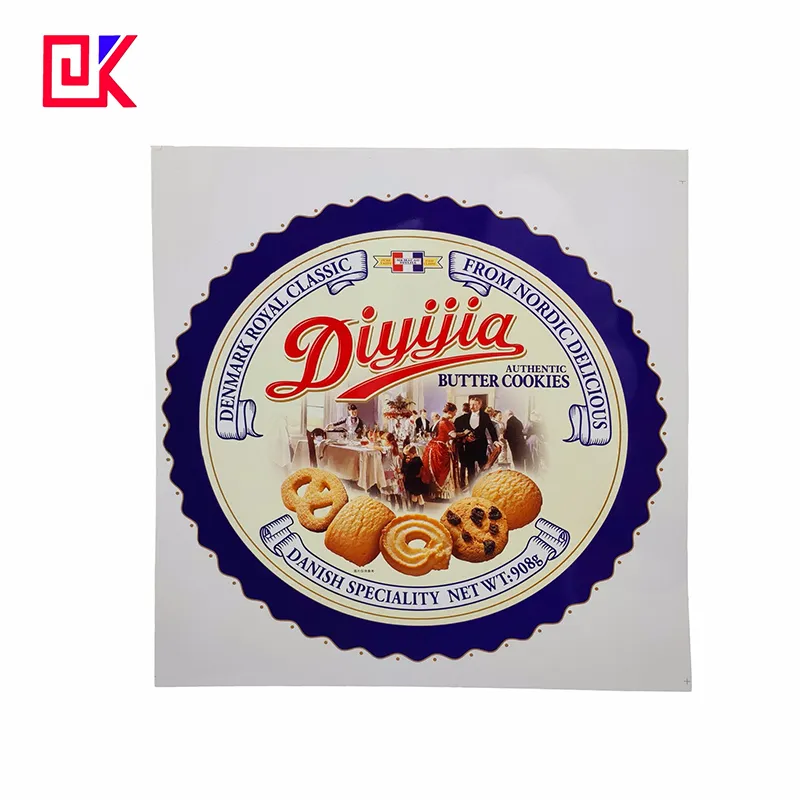
    ● Soak a soft cleaning cloth or sponge in warm water and add a small amount of neutral detergent, and gently squeeze out any excess water. ● Place a sponge or cloth inside the cookie jar and gently wipe from the bottom, making sure every corner is clean. For stains on the corners, use a soft brush or cotton swab for detailed cleaning.
  • Will tinplate cans for food packaging release heavy metals?
    12-03/2024
    Tin plated on the surface of tinplate is a relatively safe metal and is widely used in the food packaging industry. As a low-toxic metal, tin is stable and non-volatile at room temperature, and it is difficult to react chemically even when in contact with food.
  • Which metal replaced tinplate sheet during World War II?
    12-02/2024
    During World War II, there was a shortage of tinplate sheet, which prompted people to look for alternative materials to meet packaging needs. During this period, aluminum became the main alternative material for the manufacture of seamless can-shaped packaging containers.
  • Which printing method is most suitable for tinplate cans for food packaging?
    11-28/2024
    Based on the specific needs of tinplate cans for food packaging, offset printing is the most suitable printing method for most food packaging. It can provide high-precision printing effects, bright colors, and is suitable for mass production. At the same time, the cost of offset printing is relatively low, which can meet the needs of most food companies.
  • Is the coating of metal cans for food packaging BPA? Is BPA safe?
    11-27/2024
    Epoxy resin coating can not only prevent metal from direct contact with food, avoid metal corrosion or contamination of food, but also extend the shelf life of food. Therefore, the inner wall coating of many food and beverage cans contains BPA.
  • Foshan Dekai Metal Packaging Co., Ltd. Showcases Innovation at Beautyworld Central Asia 2024
    11-27/2024
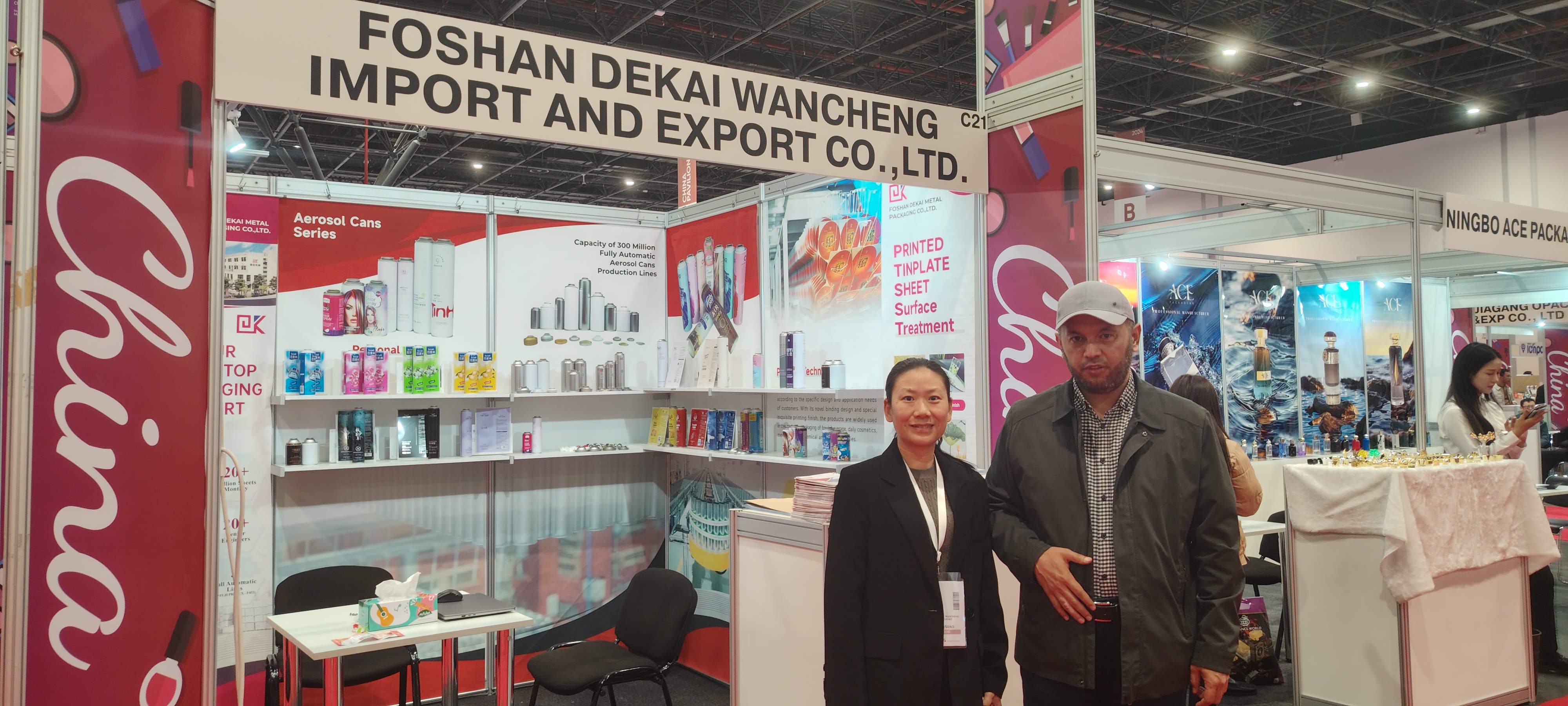
    From November 21 to November 23, 2024, Foshan Dekai Metal Packaging Co., Ltd. proudly participated in the prestigious Beautyworld Central Asia exhibition in Uzbekistan, presenting our exceptional metal packaging solutions to a global audience. This event brought together industry leaders and innovators, providing a platform to showcase the latest trends in beauty packaging.
  • Is tin plating of food packaging cans toxic?
    11-26/2024
    It does not react like other metals when it encounters water or acid, and can provide stronger corrosion resistance for packaging cans. At the same time, the surface of tin is smooth, odorless, and non-toxic, and will not affect the taste and quality of the food inside the package.
  • How to electrolyze tinplate? What tools do you need to prepare?
    11-25/2024
    Steps for electrolyzing tinplate: 1. Prepare electrolyte 2. Assemble electrolytic cell and electrodes 3. Connect power and start electrolysis 4. Monitor the electrolysis process 5. Complete electrolysis and recover tin 6. Clean electrodes and electrolytic cell Key tools and materials required for electrolytic tinplate: 1. Power supply unit 2. Electrolytic cell 3. Electrode 4. Electrolyte 5. Temperature control device 6. Stirring device 7. Personal protective equipment
  • What is tinplate? What can it be made of?
    11-22/2024
    Tinplate is a tin-plated steel. It is made of cold-rolled low-carbon steel plates or steel strips through a precise process. Five common applications of tinplate: 1. Food packaging industry 2. Chemical product packaging 3. Daily necessities and cosmetics packaging 4. Toys and crafts 5. Electronic product housing