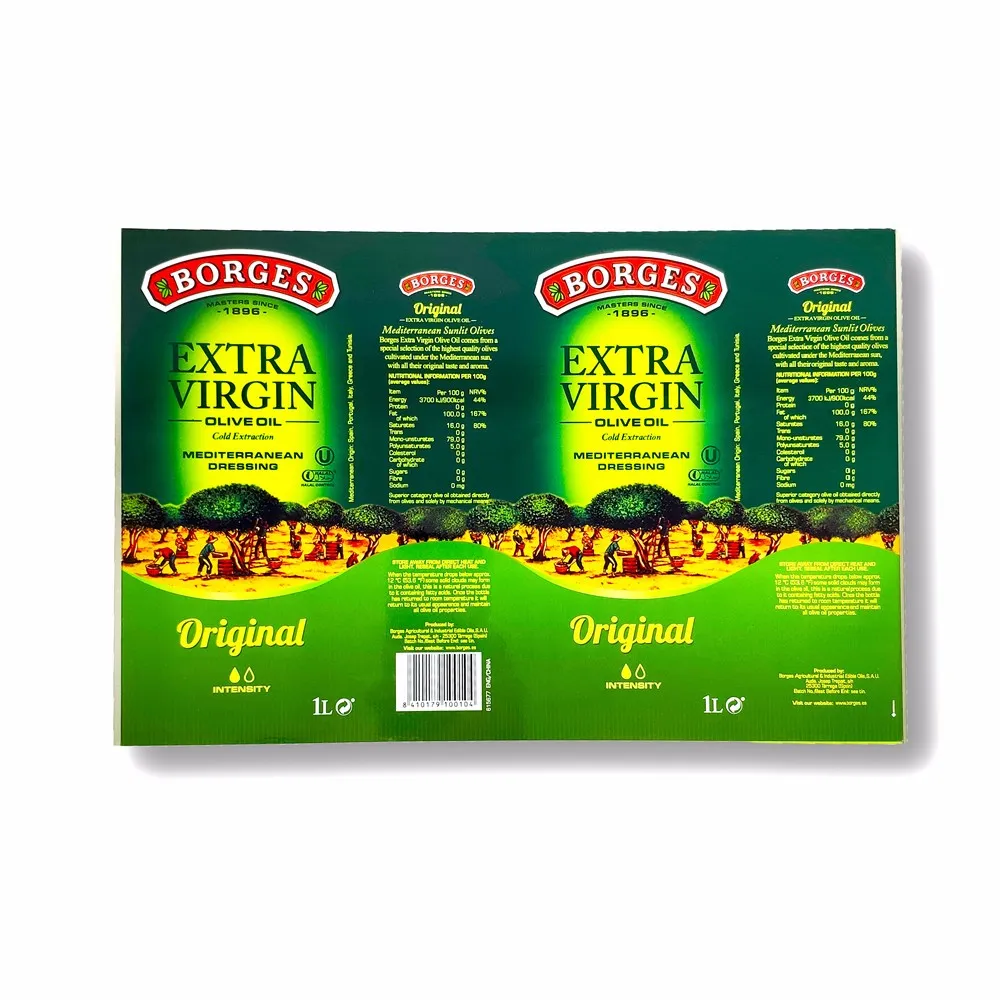
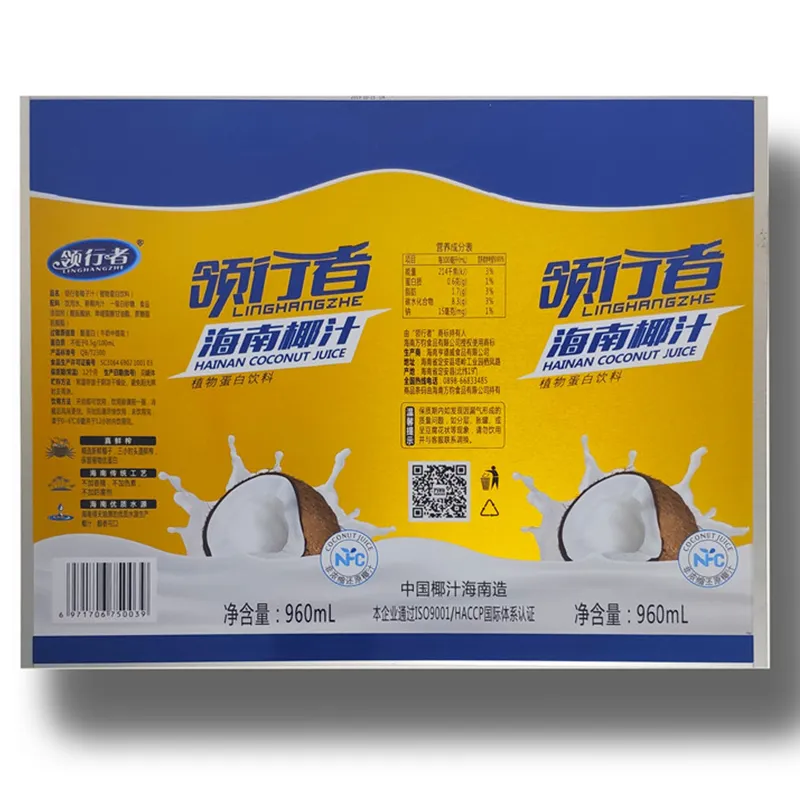
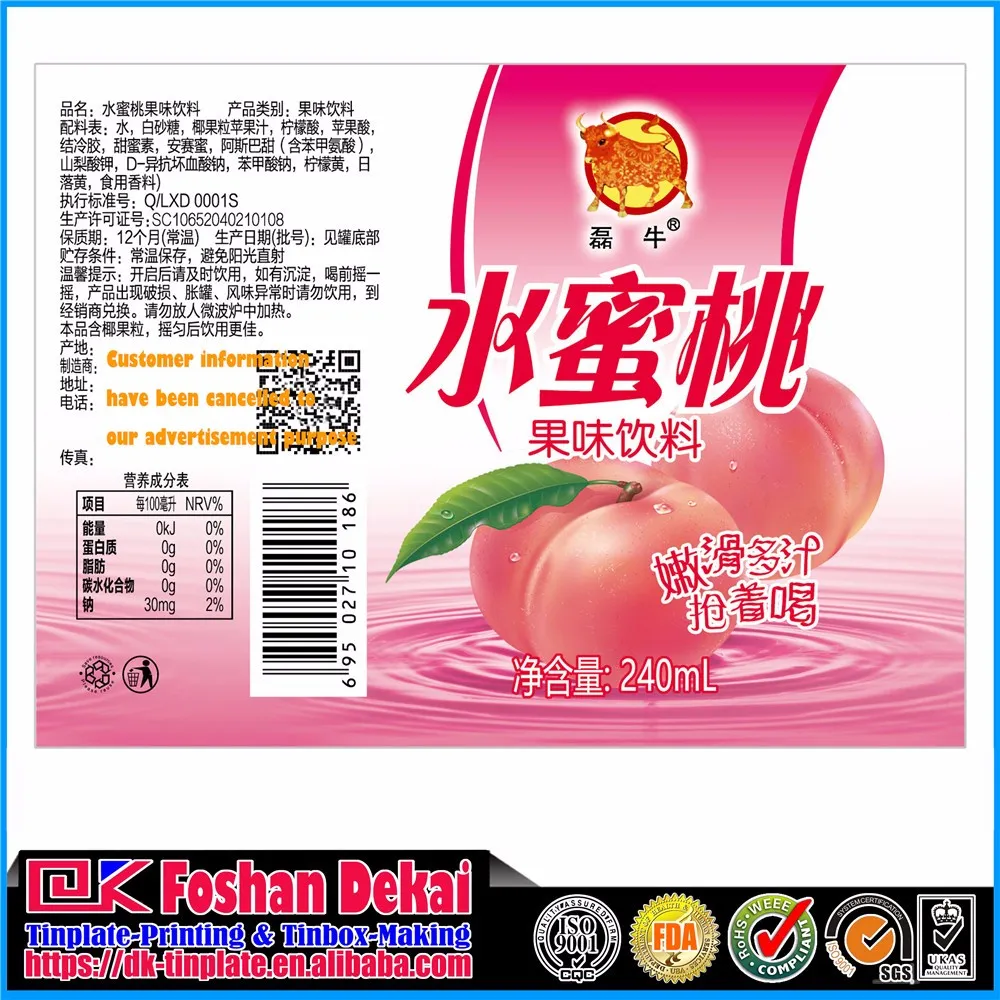
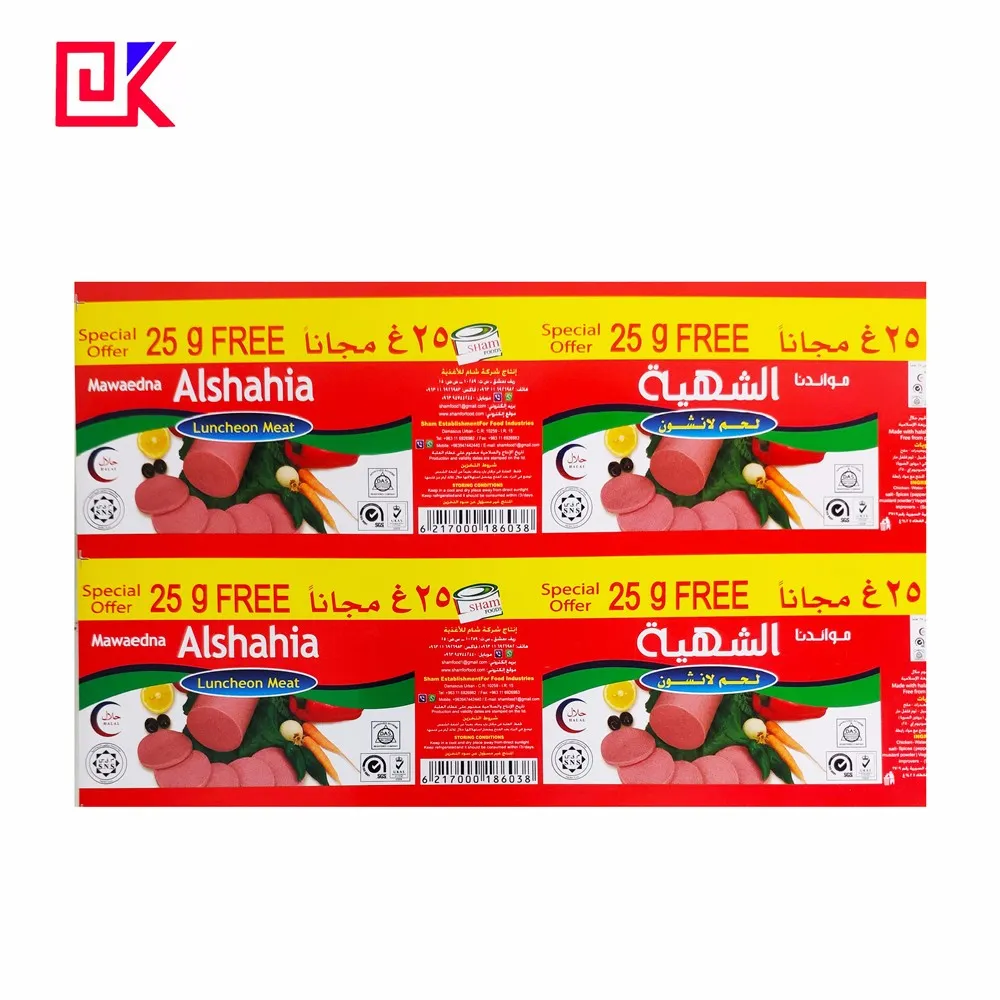
Tinplate is actually a composite material, its core part is low-carbon steel plate, and the surface is plated with a thin layer of tin. Therefore, tinplate is mainly composed of two materials: steel plate (iron) and tin.
International price distribution of electrolytic tinplate:
1. The price range per ton in the Chinese market is between 6,000 yuan and 8,000 yuan
2. The price per ton in the European market is usually between 900 euros and 1,200 euros
3. The price per ton in the North American market is about 1,000 US dollars to 1,300 US dollars
4. Other regions are about 800 US dollars to 1,000 US dollars per ton
The tinplate layer on the surface of tinplate sheet has good chemical stability and usually does not react chemically with food or beverages. This is because tin has extremely low reactivity at room temperature and is not easy to react with acids and alkalis, so it is widely used in food packaging.
Reasons why tinplate sheet can be used as food packaging material:
1. Anti-corrosion performance
2. Mechanical strength and durability
3. Good sealing
4. Food safety
5. Good processability and decorativeness
6. Recyclable and environmentally friendly characteristics
Compared with tinplate sheet, Wuxi steel has higher surface hardness and is suitable for occasions requiring high hardness and wear resistance. Due to the chromium layer on the surface of tin-free steel, the weldability is poor, so it usually cannot be used in the manufacture of packaging containers that require sealing welding.
According to the definition of biodegradation, tinplate sheet cannot be classified as a biodegradable material. Biodegradation usually applies to organic matter or certain special bio-based materials, while tinplate sheet, as a metal composite material, will not degrade into carbon dioxide or water through the metabolic process of microorganisms under natural conditions.
In the processing of tinplate sheets, electrolytic treatment is usually used to remove surface impurities or form special coatings to improve its corrosion resistance and adhesion with inks or coatings. Especially in scenarios where high-quality printing is required
Electrolytic tinplate sheet, also known as electroplated tin iron, is a composite material with a layer of tin evenly plated on the surface of a thin steel plate.
The canning industry, especially the production of food and beverage cans, has extremely high requirements for the corrosion resistance of packaging materials. Tinplate sheet is endowed with excellent anti-corrosion properties due to the tin layer on its surface.
Manufacturing process of tinplate sheet:
1. Manufacturing of base steel sheet
2. Annealing and surface treatment
3. Tin plating process
4. Passivation treatment
5. Surface coating
6. Cutting and forming