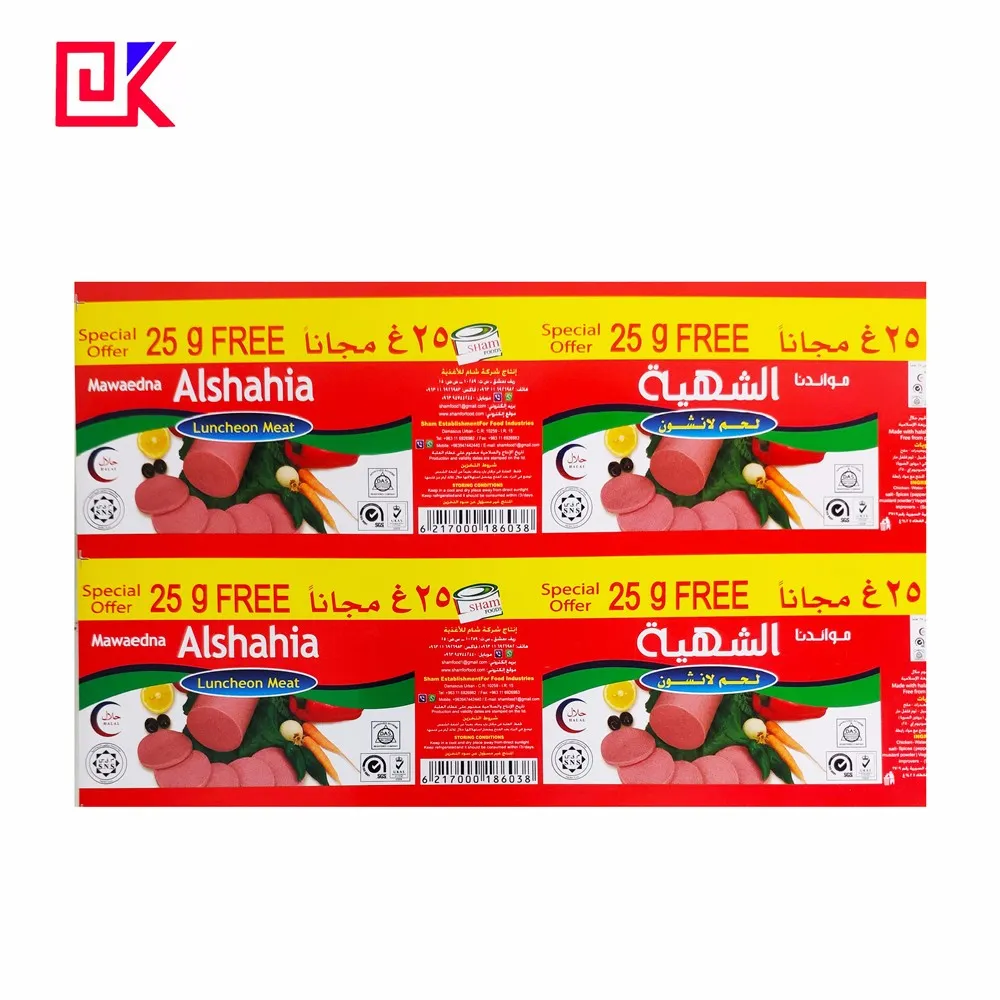
According to industry statistics, in the global canning industry, more than 60% of packaging cans use tinplate materials. This ratio is even higher in certain areas such as food cans and beverage packaging.
According to the definition of biodegradation, tinplate sheet cannot be classified as a biodegradable material. Biodegradation usually applies to organic matter or certain special bio-based materials, while tinplate sheet, as a metal composite material, will not degrade into carbon dioxide or water through the metabolic process of microorganisms under natural conditions.
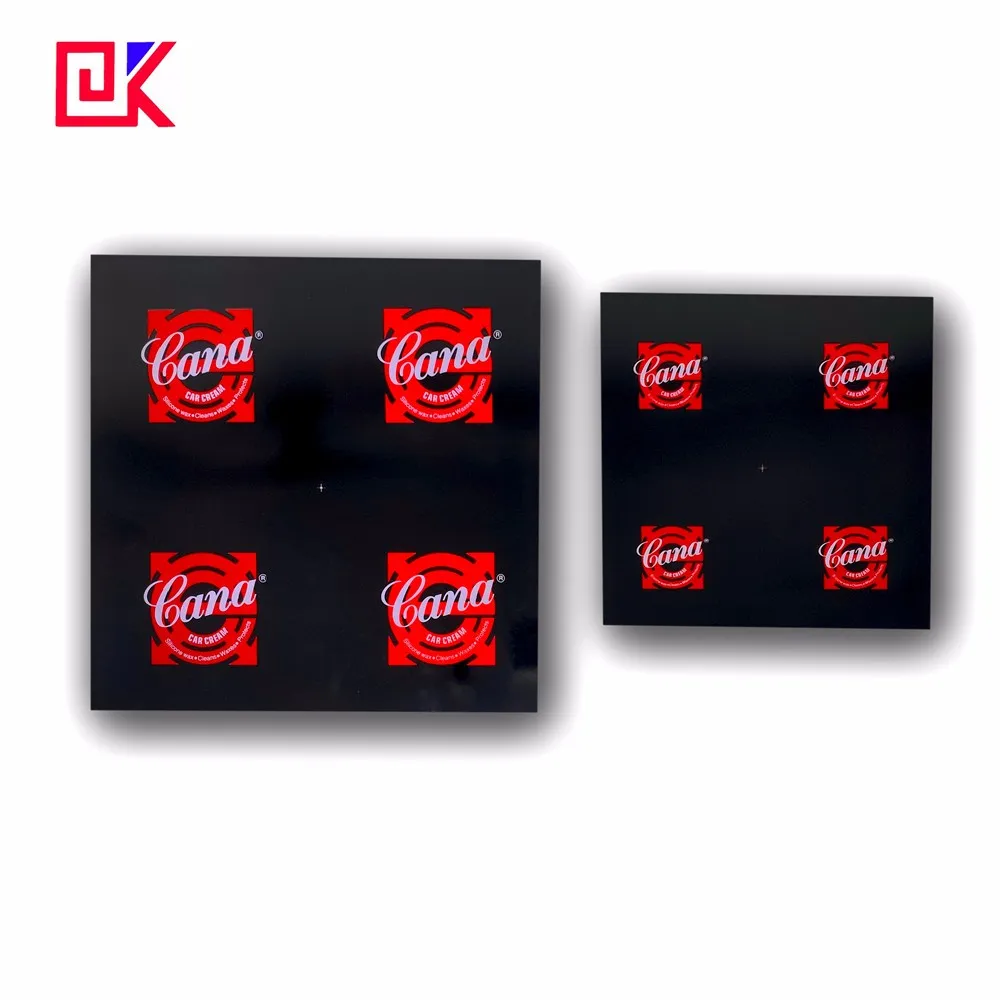
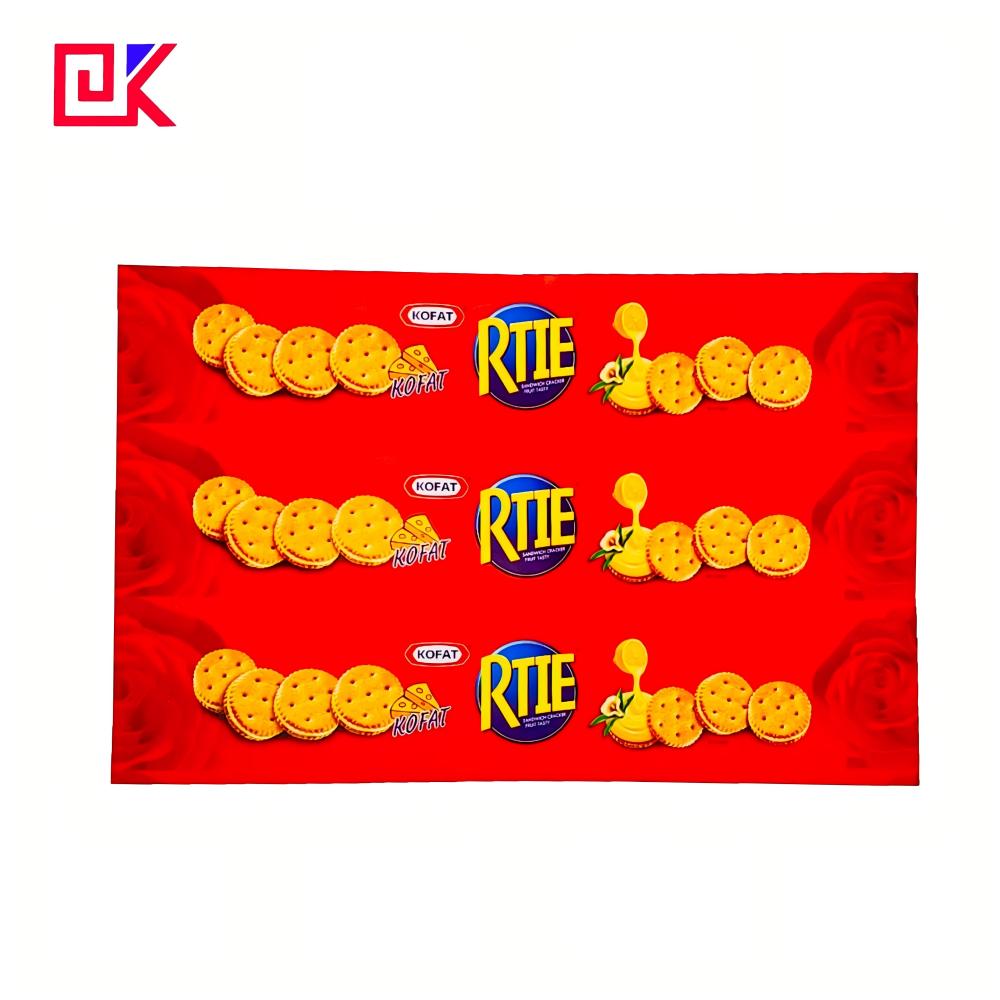
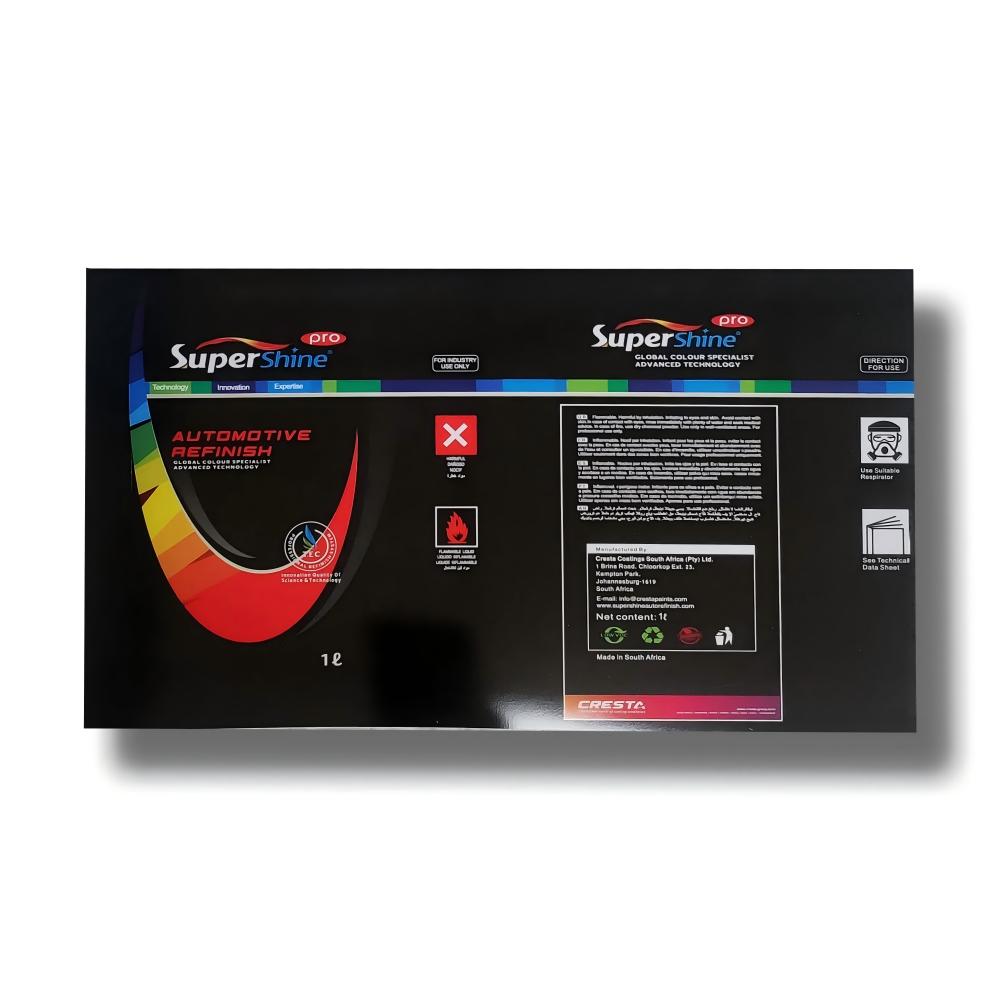
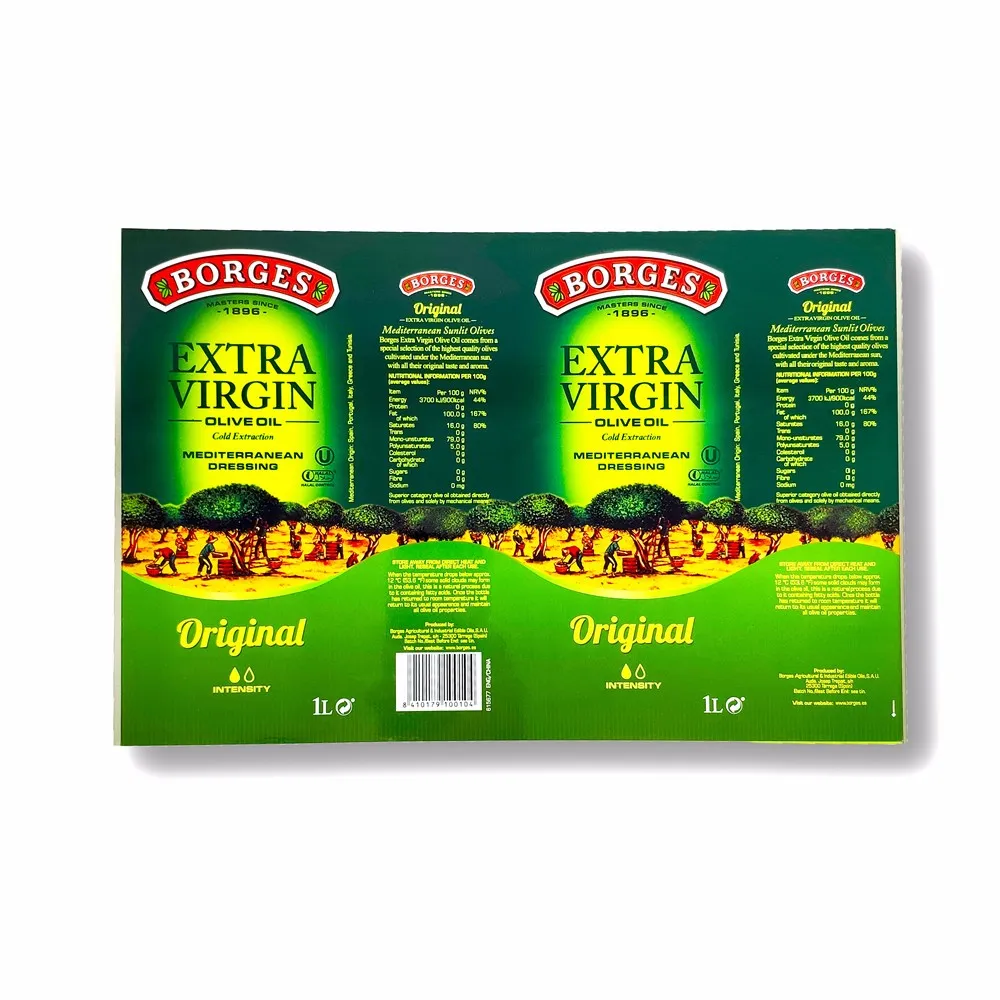
In the processing of tinplate sheets, electrolytic treatment is usually used to remove surface impurities or form special coatings to improve its corrosion resistance and adhesion with inks or coatings. Especially in scenarios where high-quality printing is required
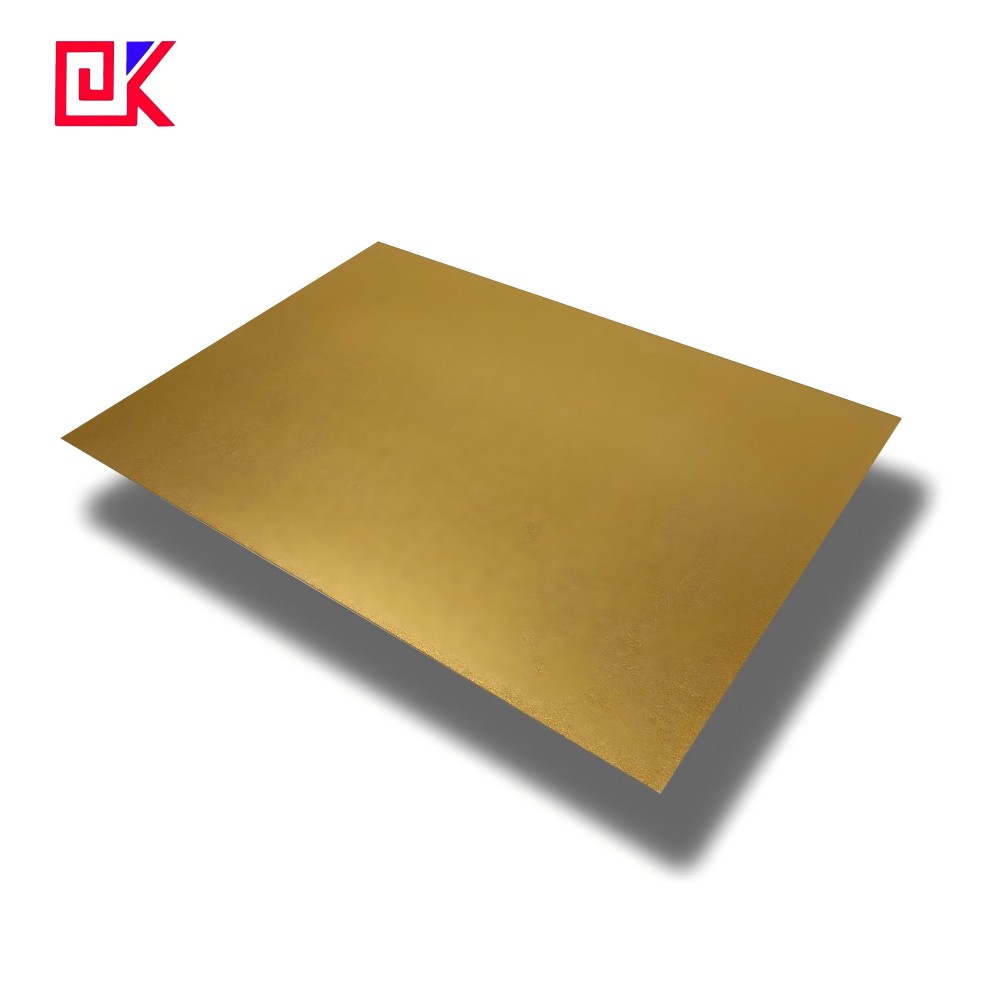
Electrolytic tinplate sheet, also known as electroplated tin iron, is a composite material with a layer of tin evenly plated on the surface of a thin steel plate.
The canning industry, especially the production of food and beverage cans, has extremely high requirements for the corrosion resistance of packaging materials. Tinplate sheet is endowed with excellent anti-corrosion properties due to the tin layer on its surface.
Manufacturing process of tinplate sheet:
1. Manufacturing of base steel sheet
2. Annealing and surface treatment
3. Tin plating process
4. Passivation treatment
5. Surface coating
6. Cutting and forming
The use of metal materials has a history of thousands of years worldwide, but the emergence of specific metal materials such as tinplate sheet can be traced back to Europe in the 16th century. Tinplate sheet originated from human demand for metal anti-corrosion treatment.
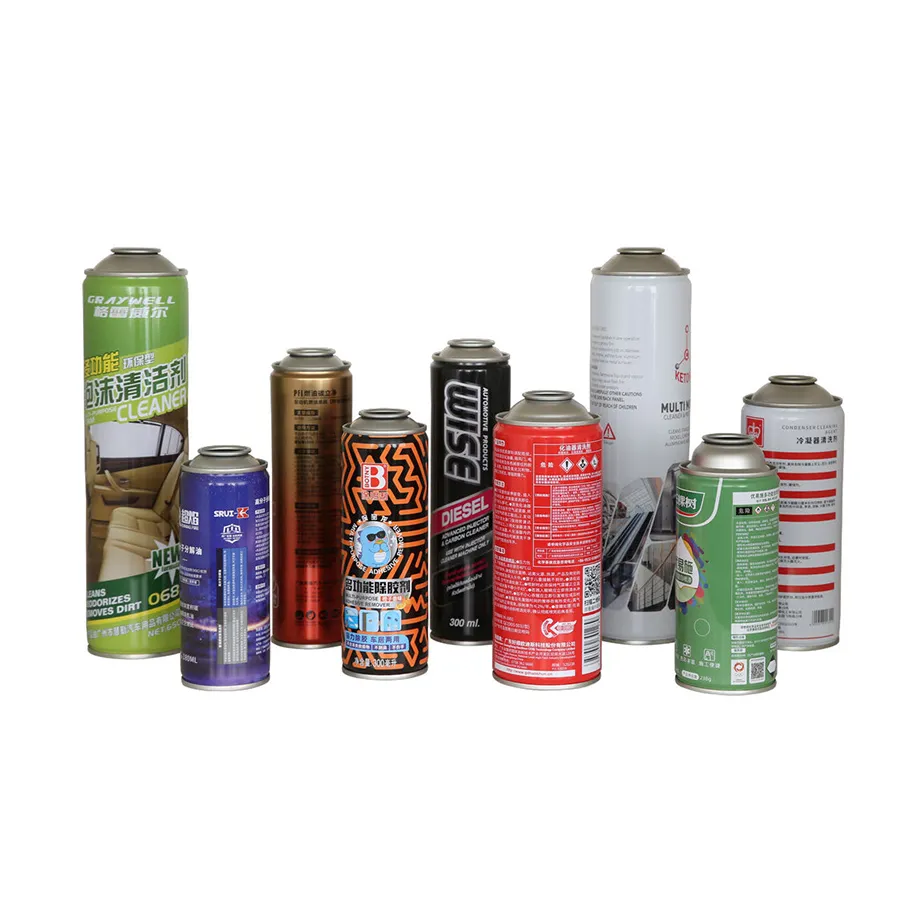
Manufacturing process of aerosol cans:
1. Preparation of tinplate sheets
2. Shearing and forming
3. Rolling and welding of cylindrical can bodies
4. Stamping and forming of can bottoms and can tops
5. Assembly of can bodies, can tops and can bottoms
6. Coating and surface treatment
7. Valve installation
8. Air tightness and pressure resistance testing
9. Filling and packaging
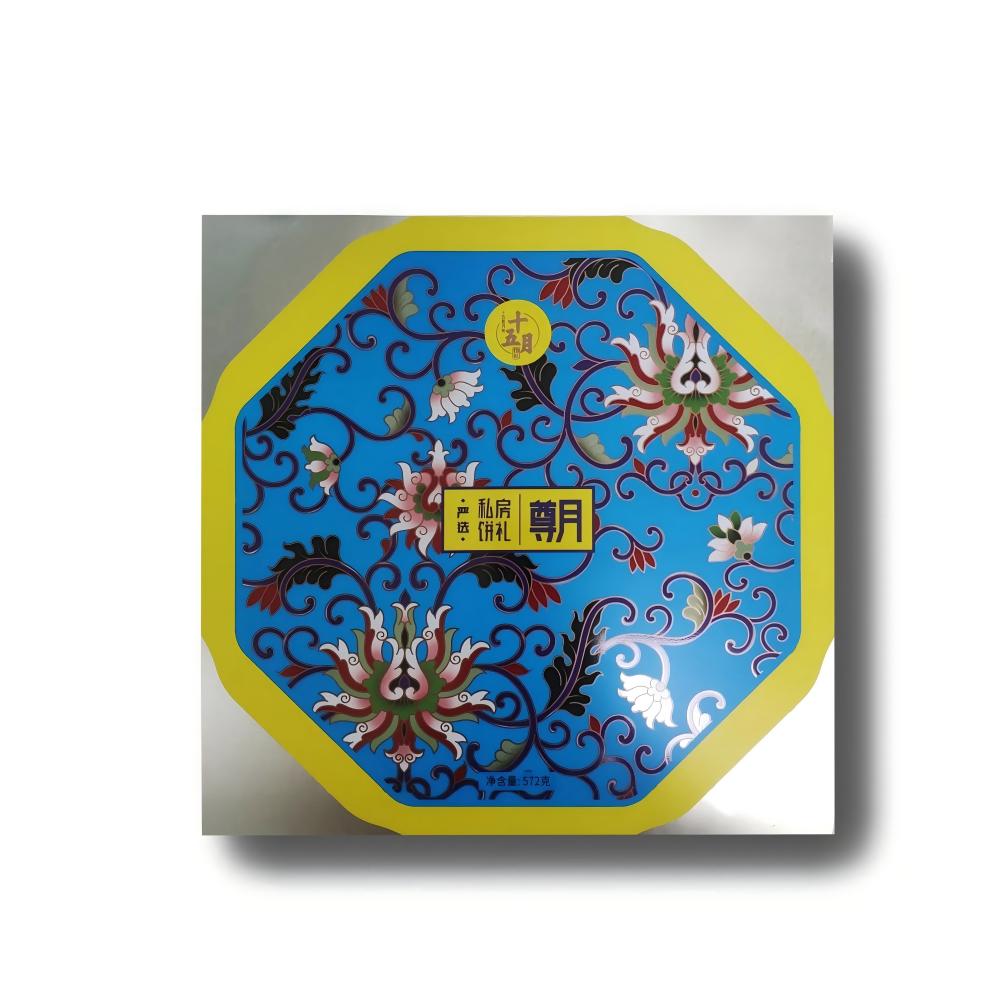
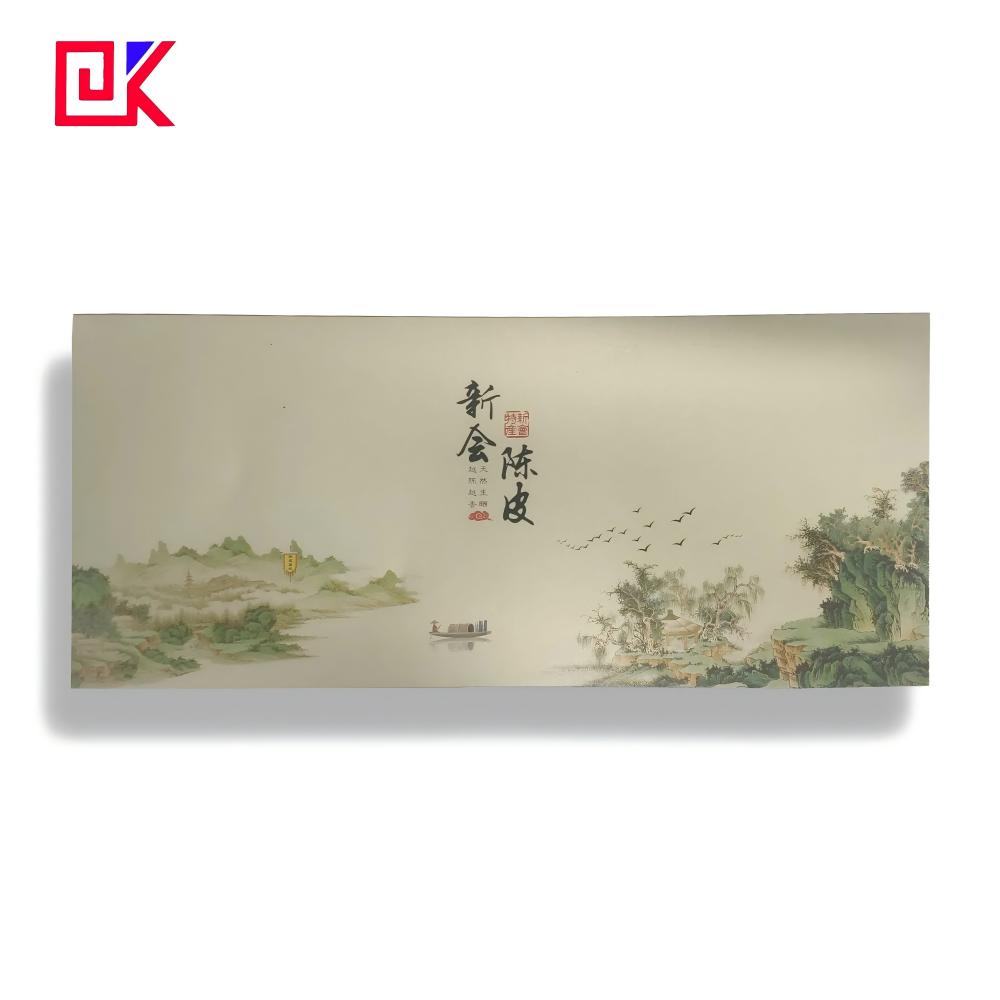
The common manufacturing material for cookie tin packaging is tinplate, which not only has good mechanical strength and corrosion resistance, but also can provide excellent decorative effects for the can body.